
What to Do After a Truck Accident: A Practical Guide
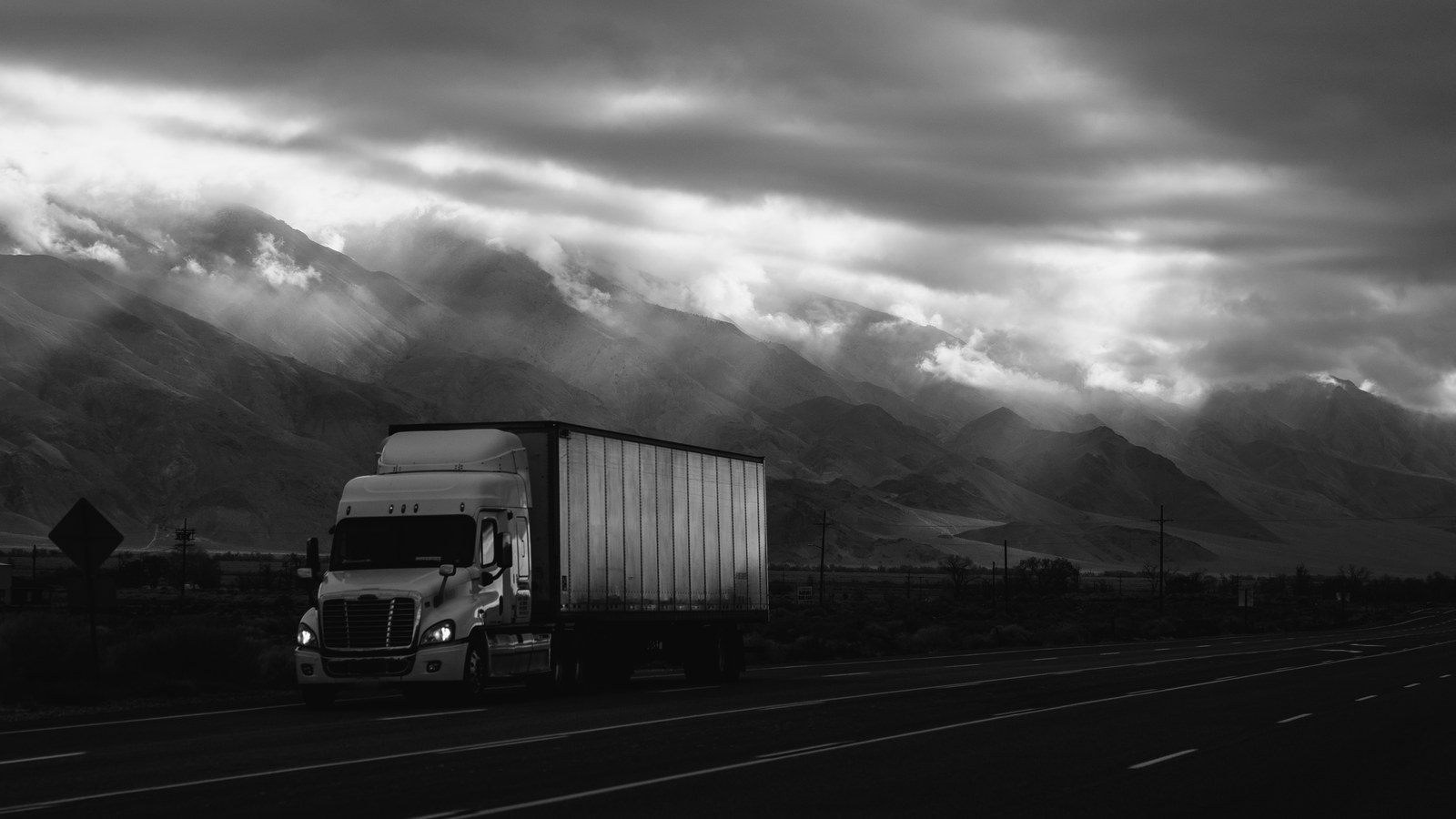
You’re on the shoulder after a box truck has rear-ended you. The engine is still running, the airbags are deflating, and your hands are shaking on the wheel. You may feel strangely fine because adrenaline is masking pain, while another part of your brain is urging you to step into traffic, call your family, or argue with the truck driver.
Slow down. Your first job is survival, not proving fault. After large-truck collisions, the consequences can be severe. In 2023, 5,375 large trucks were involved in fatal crashes in the United States, according to National Safety Council large-truck crash data. In 2021, crashes involving large trucks killed 5,788 people and injured an estimated 154,993 people, according to the National Safety Council.
The practical answer to what to do after a truck accident starts with an ordered response: get away from immediate danger, call for emergency help, obtain medical care, preserve evidence, and protect your communications. The most commonly overlooked move comes later in this guide. Truck records can disappear long before a lawsuit is filed, so early preservation matters.
The First Five Minutes After Impact
Your body may not give you reliable information immediately after a truck collision. A heavy impact can leave you disoriented, short of breath, or focused on the other vehicle while adrenaline suppresses pain. You might notice only a ringing in your ears or a stiff neck, then develop significant symptoms later.
Start with a quick body scan without moving unnecessarily. Check your head, neck, back, chest, abdomen, arms, and legs for severe pain, numbness, bleeding, weakness, or difficulty breathing. Ask passengers whether they’re hurt, but don’t pull anyone from a vehicle unless remaining inside creates an immediate danger.
Look around before opening the door. Check for smoke, fire, leaking fuel, broken glass, unstable cargo, and vehicles approaching at speed. A truck can block sight lines and create a secondary-impact hazard, especially on a highway shoulder or near a live lane.
Immediate rule: If you can safely remain buckled inside the vehicle, stay there until emergency responders arrive. If fire, fuel, smoke, or another immediate threat makes the vehicle unsafe, exit carefully and move well away from traffic.
Before anyone moves a vehicle, notice where the vehicles stopped. Look at lane positions, tire angles, debris, skid marks, damaged barriers, traffic signals, and the truck’s position relative to your car. Don’t put yourself in danger to preserve a perfect scene. A photograph is useful only if taking it doesn’t expose you to traffic.
The urge to call family first is understandable. Make the emergency call first. The European Road Safety Charter’s post-crash emergency response toolkit treats post-crash care as a chain that begins with danger assessment and urgent medical response, followed by transport, treatment, and rehabilitation. Your next decisions should follow that same order.
Move to Safety and Call for Help
Turn on your hazard lights immediately. If your vehicle can be driven safely and moving it won’t worsen an injury, move it out of the traffic lane. If it can’t be moved, keep the seat belt fastened and stay inside unless the vehicle presents an immediate threat.
Use flares or reflective triangles only if you can place them without entering danger. Keep away from fuel leaks, smoke, exposed wiring, and shifted or falling cargo. Don’t stand between the truck and your vehicle, and don’t walk into a live lane to inspect damage.

Call 911 and give the dispatcher the information responders need to find and assess the scene:
- Exact location: Provide the highway, direction of travel, nearest exit, mile marker, cross street, or visible landmark.
- Injuries: State whether anyone is bleeding, unconscious, trapped, having trouble breathing, or reporting severe pain.
- Vehicle details: Describe your vehicle and the truck, including its color, trailer markings, truck number, and carrier name shown on the cab or trailer.
- Immediate hazards: Report fuel, smoke, fire, blocked lanes, cargo on the roadway, or additional collisions.
Request local police even when the visible damage seems minor. A commercial-vehicle crash can involve a driver, carrier, owner, maintenance provider, cargo company, and multiple insurance policies. The police report provides an early record of the location, vehicles, people involved, witnesses, and observable damage.
Exchange names, phone numbers, addresses, and insurance information when it’s safe. Keep your comments factual. Don’t guess about speed, distance, or fault, and don’t apologize as a reflex. If the other driver or a representative asks you to leave before officers arrive, decline politely.
For guidance in Spanish, you can also review Spanish-language legal resources while arranging help.
Leaving before police arrive can create confusion about who was present and what happened. Moving vehicles unnecessarily can erase positions and physical clues. Safety overrides evidence preservation, but once you’re safe, avoid changing the scene unless responders direct you to do so.
Get Medical Care and Follow Through
A truck crash deserves medical attention even when you think your pain is manageable. Adrenaline can hide soft-tissue injuries, concussion symptoms, and other problems until hours after the collision. An ambulance evaluation or same-day emergency-room visit creates a medical assessment close in time to the impact and gives you a chance to identify conditions that aren’t obvious at the roadside.
Tell the clinician exactly how the crash happened. Explain that a commercial truck struck your vehicle, describe the direction and force of impact, identify which body parts hit the steering wheel, door, headrest, or other surfaces, and mention dizziness, headache, confusion, numbness, weakness, nausea, or vision changes. Don’t minimize symptoms because they seem temporary.
A vague statement such as “I’m sore” may not capture the full injury picture. A specific account helps the provider decide what to examine and what follow-up may be appropriate. It also keeps the record connected to the actual mechanism of injury rather than leaving an incomplete description for an insurer to interpret later.
Follow the treatment plan
Keep appointments with primary-care doctors, specialists, physical therapists, and imaging providers. If a provider recommends imaging, therapy, medication, restrictions, or a specialist referral, follow through or explain promptly why you can’t. Missed appointments and unexplained gaps give insurers an argument that the injury was minor, unrelated, or resolved.
Keep copies of discharge instructions, prescriptions, bills, work restrictions, and referrals. A brief symptom log can help you remember when pain, headaches, sleep disruption, or mobility problems change. Every provider should know that the symptoms began after a truck collision, even if you’re seeing that provider for a condition that seems separate.
Declining ambulance transport is your choice. It also creates a record that the defense may later emphasize, particularly if you wait before seeking care. Don’t let that possibility replace medical judgment, but understand the trade-off and obtain care promptly if symptoms appear or worsen.
For Persian-language information, Farsi legal resources may help families communicate while they organize medical and claim information.
Preserve Evidence Before It Disappears
Take photographs only after you’re safe and emergency needs are addressed. Capture the scene broadly first, then move to close-ups. Photograph every vehicle from multiple angles, including license plates, damage, detached parts, tire marks, debris, road conditions, traffic controls, weather, visible injuries, and the truck’s company name, DOT number, unit number, and trailer markings.
Record witness names and phone numbers. If someone saw the collision, ask for contact information rather than trying to conduct a roadside interview. Preserve the original photographs and videos, and don’t rely only on edited, cropped, or texted copies.

The records most people forget
Your photos show what you could see. They don’t preserve what the trucking company’s systems recorded. That’s the contrarian point most checklists miss.
The truck may have relevant Electronic Logging Device data, dashcam footage, inward-facing video, event-recorder downloads, post-trip inspection reports, driver qualification materials, dispatch communications, cargo records, and maintenance and repair logs. Legal sources summarizing federal retention practices state that ELD records and supporting documents are generally kept for at least six months, while maintenance records are kept for about a year while the vehicle is in service.
That creates a practical deadline. A truck’s public crash entry may remain preliminary for 22 months, while states are expected to report within 90 days, and FMCSA says crash totals can change as reporting continues in its crash statistics system. Public data can remain unfinished while private electronic evidence is already approaching a retention cutoff.
Send preservation demands early
A preservation letter, sometimes called a spoliation letter, tells the trucking company, insurer, owner, maintenance contractor, and other relevant parties to preserve identified evidence. It should target the truck’s ELD data, dashcam and cabin footage, engine or event data, inspection records, driver qualification file, dispatch records, maintenance history, repair records, cargo documents, and communications about the collision.
A lawyer usually sends the letter, but a family member can help gather names, policy information, photographs, the police agency, medical records, and vehicle-storage details immediately.
In the first 48 hours, collect:
- Scene materials: Original photos, videos, witness contacts, tow records, and the truck’s identifying information.
- Medical materials: Ambulance paperwork, emergency records, prescriptions, restrictions, and appointment details.
- Communication records: Insurer letters, emails, claim numbers, call logs, and notes identifying who contacted you.
- Vehicle materials: Storage location, damage photographs, repair estimates, and instructions not to destroy or materially alter the vehicle before appropriate inspection.
Don’t threaten the truck driver or demand records yourself. Preserve what you control and have counsel handle formal requests.
Report the Crash and Track the Deadlines
Reporting duties and claim deadlines are different clocks. The police report documents the event, but it doesn’t replace notice to an insurer, a required state form, a federal carrier filing, or a lawsuit filed before the applicable limitation period expires.
Federal trucking reporting can create another useful record. The carrier must file an MCS-150 update within 30 days when a crash involves a fatality, bodily injury requiring immediate medical treatment away from the scene, or a vehicle towed away. That public record can later help confirm that the truck was operating and that the carrier had a reporting obligation.
California drivers should distinguish the police report from the DMV SR-1. The SR-1 is a separate California report that must be filed within 10 days when the crash involves property damage over $1,000, injury, or death. Confirm the current form and filing requirements with the California Department of Motor Vehicles.
Put the main clocks on one calendar
| Deadline | Who Acts | Why It Matters |
|---|---|---|
| Immediately after the collision | Drivers and passengers call emergency services and request police | Creates an emergency response and an initial official record |
| Promptly after the crash | The carrier handles required federal crash reporting | Creates a public commercial-vehicle record |
| Within 10 days in California when the SR-1 criteria apply | The responsible California driver files the DMV SR-1 | Separately satisfies the state reporting requirement |
| As soon as possible | The injured person notifies applicable insurers | Policies often contain prompt-notice provisions |
| Two years in California for injury and wrongful-death claims | The claimant files, unless a specific rule changes the deadline | Missing the limitation period can bar the claim |
| Three years in California for property-damage claims | The property owner files | Preserves the property claim before its deadline |
Hidden injuries may raise discovery-rule questions, but don’t assume delayed symptoms automatically extend a deadline. A police narrative that omits important facts should be addressed through a supplemental statement, witness evidence, photographs, medical records, or counsel’s investigation. Don’t rewrite the facts yourself or pressure an officer to adopt your conclusion.
Talk to Insurers Without Giving Up Your Claim
The trucking company’s insurer may call quickly, sometimes on the day of the collision. The adjuster may sound helpful, and the carrier may even appear to accept responsibility early. Treat that contact as a claims investigation, not as a favor.
Give basic facts: when and where the crash occurred, the vehicles involved, the police agency, your injuries as currently known, and where you received or plan to receive medical care. Don’t speculate about speed, fault, future treatment, or how well you’ll recover. Write down the adjuster’s name, company, claim number, phone number, date, and time.
Ask for the policy information that applies to your claim. Your own insurer may also need notice under your policy. Notify it promptly, but keep the report factual and ask whether the policy includes uninsured or underinsured motorist coverage, medical-payments coverage, rental coverage, towing, or storage benefits.

Requests you should not handle casually
A recorded statement can lock you into wording before your injuries and memory have stabilized. A broad medical authorization can give an insurer access to records unrelated to the collision. A quick property-damage estimate may overlook hidden damage, diminished value, or the need for an independent inspection.
Use short, calm responses:
- For a recorded statement: “I’ll provide the basic claim information, but I’m not agreeing to a recorded statement today.”
- For a broad authorization: “Please send the request in writing so I can review its scope.”
- For an early settlement: “I’m not accepting or signing a release while treatment and damages remain under review.”
- For pressure to assign blame: “I’ll provide the facts I know. I’m not making a fault determination.”
Keep the vehicle available for inspection before repairs where practical, and don’t sign a release because the insurer offers fast payment. The video below provides additional context on communicating after a collision.
Redirect communications to an attorney when the claim is denied, the insurer requests a recorded statement, the adjuster presents a low settlement, the truck company has counsel, or multiple vehicles and policies are involved.
When to Call a Truck Accident Attorney
Handling a minor property-damage claim alone can be reasonable when nobody is injured, liability is clear, the insurer communicates fairly, and the repair process is straightforward. That calculation changes quickly when a truck collision causes continuing symptoms, disputed fault, multiple vehicles, significant property damage, or involvement by the trucking company’s defense counsel.
The strongest reason to call early is evidence control. An attorney can send preservation demands, identify the carrier and other potentially responsible parties, examine causation, retain appropriate experts, and make the insurer understand that the claim may be prepared for litigation. Those actions matter more when the truck’s electronic and maintenance records could be overwritten or discarded.
| Factor | Handling Solo | With a Truck Accident Attorney |
|---|---|---|
| Injury severity | You organize treatment and explain the injury yourself | Counsel coordinates the claim record around causation, prognosis, and damages |
| Liability dispute | You respond to the insurer’s version of events | Counsel investigates scene evidence, witnesses, vehicle data, and competing accounts |
| Multiple vehicles or companies | You may miss a carrier, owner, contractor, or policy | Counsel identifies parties and evaluates available coverage |
| Recorded-statement request | You decide how to respond under pressure | Counsel can manage the request and protect the scope of your answers |
| Evidence preservation | You preserve photographs and records you control | Counsel sends formal demands for carrier-controlled evidence |
| Settlement offer | You judge value with incomplete information | Counsel assesses the offer against documented injuries, losses, and litigation risk |
| Costs and fees | You handle the work yourself | Many injury lawyers use contingency arrangements, with case costs explained in the engagement agreement |
A denied claim, lowball offer, request for a recorded statement, accusation that you caused the collision, or demand for a broad medical release is a clear signal to stop negotiating alone. You should also verify the attorney’s qualifications and local bar status before signing an agreement. For additional general legal information, review the legal resources and blog materials.
This article is for informational purposes only and is not to be construed as legal advice. No attorney-client relationship exists based on the review of this article, and none of the information in this article is legal advice. It doesn’t substitute for advice from a licensed attorney who can evaluate your facts, jurisdiction, deadlines, and available evidence.
LA Law Group, APLC offers truck accident representation, including early claim assessment, evidence preservation, insurer communication, and personal injury litigation support. If you’re recovering after a collision, visit LA Law Group, APLC to request a consultation and discuss the next practical step.
Attorney Advertising. This article is general information, not legal advice, and does not create an attorney-client relationship. Prior results do not guarantee a similar outcome.